
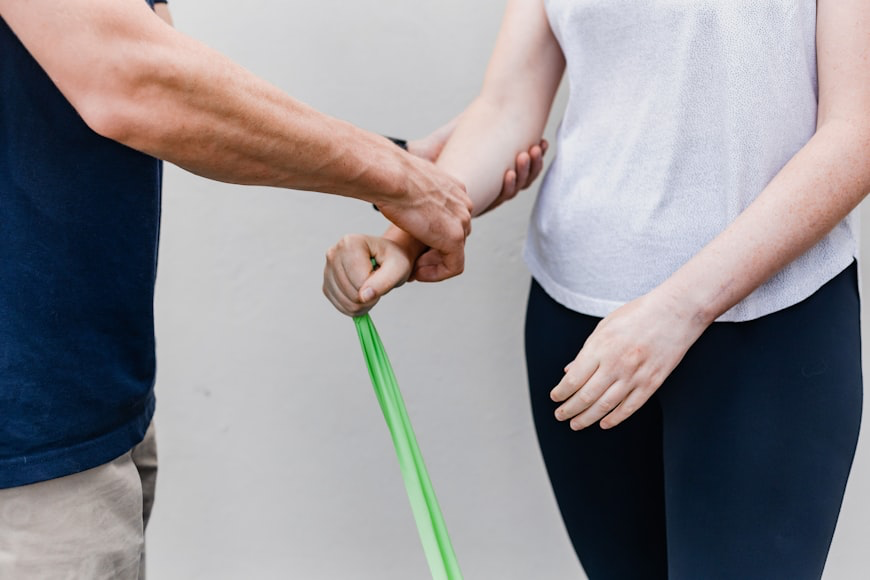
What Is Prehab & Why You Should Care Before You’re in Pain
(Even If You’re Not an Athlete)
We tend to wait until something hurts before we take it seriously. Whether it’s a twinge in your knee, tightness in your back, or that shoulder that suddenly refuses to lift your coffee cup—by the time you notice it, your body has been whispering for a while.
That’s where prehab comes in.
So… What Exactly Is Prehab?

Prehab (short for prehabilitation) is the proactive side of physical therapy. It’s what you do before injury, before surgery, and before pain becomes chronic. Think of it like brushing your teeth—you don’t wait until you have cavities to start brushing, right? You do it daily to prevent decay.
Prehab focuses on:
- Building strength in your weak links
- Improving mobility where you’re stiff
- Enhancing balance in your movement patterns
- Correcting posture and alignment
- Training smarter so you can live longer, move better, and heal faster if injury ever happensBut I’m Not an Athlete… Do I Still Need Prehab?
But I’m not an Athlete, Do I still need Prehab?
Yes. And here’s why:
- You sit all day. That desk job is training your body too… just not in a good way.
- You’re a parent. Carrying a baby on one hip and groceries in the other? That’s load-bearing training—without proper prep.
- You’re getting older. Muscles weaken, joints stiffen, and reaction times slow down with age. Prehab keeps you active and independent.
- You’ve been injured before. Prehab can stop old injuries from making a comeback tour.
If you move, you need prehab. Period.
Let’s be real (my favorite thing to do)!
Waiting for Pain Is Expensive
Let’s look at the facts. Waiting until you’re hurt means:
- More time off work
- More expensive therapy
- A longer healing process
- More frustration, stiffness, and burnout
- Higher risk of reinjury
Prehab keeps you one step ahead—literally.
What Does Prehab Look Like in Real Life?
Here’s what it can include:
- Mobility drills for joints of the body like hips, shoulders, and spine
- Strengthening exercises tailored to your body (think: glutes, core, and stabilizers)
- Breathwork and neuromuscular control (especially for pelvic health and posture)
- Balance and coordination training to keep you agile
- Movement education so you know what’s helping and what’s hurting you daily
And the best part? Most prehab routines take 10–15 minutes a few times a week.
Your Future Self Will Thank You

Whether you’re planning to get pregnant, train for a 5K, or just want to get through your day pain-free, prehab is the preventative medicine your body has been begging for.
Don’t wait for pain to make you pay attention. Start listening now. Your body and your future self is counting on you!
Let’s get prehabbing!
Dr. Li